


About the Course
This workshop has been co-designed with Aboriginal community-controlled organisations to ensure cultural safety and relevance for First Nations practitioners and communities. It recognises that family violence impacts not only individuals, but the balance of relationships, culture, and connection to Country that support healing and identity.
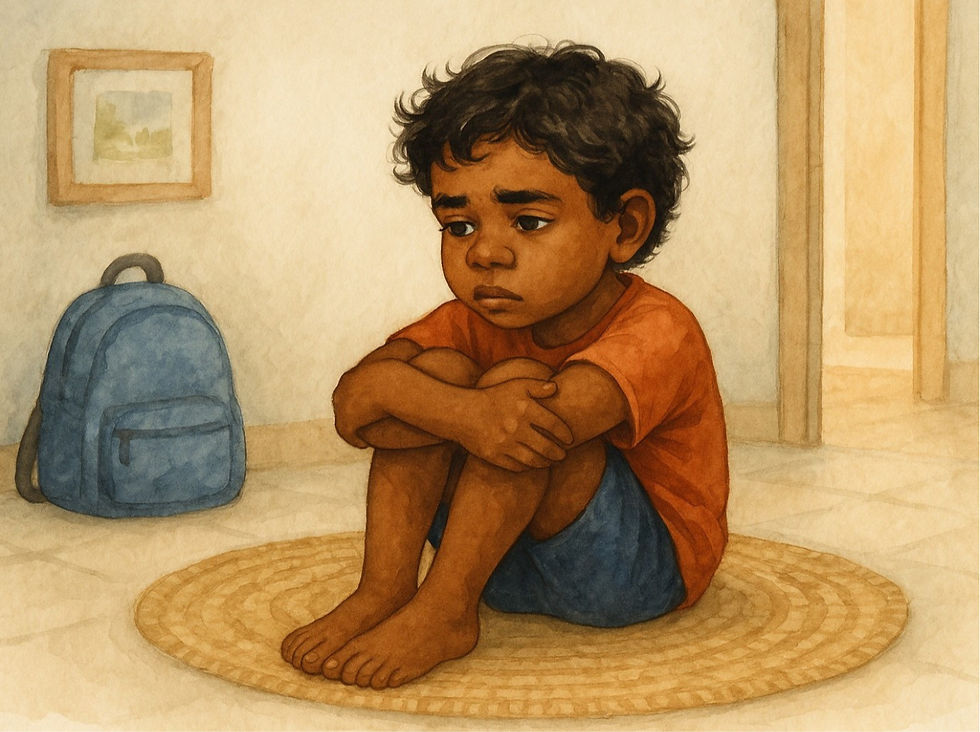
For Aboriginal children and young people, the effects of violence are deeply intertwined with histories of dispossession, grief, and intergenerational trauma. Yet, within culture and community lie powerful strengths—hope, kinship, and connection—that can restore safety and belonging.
Grounded in the Safe and Secure Practice Framework and informed by the neurobiology of trauma, this workshop explores how family violence shapes children’s development, relationships, and sense of safety. Participants will learn to support children and families through culturally responsive, trauma-informed, and relational healing approaches that centre cultural identity as a source of recovery.
Participants will:
Deepen understanding of how family violence affects children’s bodies, minds, and spirits, and how this may manifest in behaviour and relationships.
Explore First Nations perspectives on healing, connection, and relational safety.
Apply the Safe and Secure Practice Framework to guide culturally responsive recovery practice.
Recognise the role of kinship, storytelling, and cultural continuity in rebuilding safety and identity.
Learn strategies for restoring connection between children, parents, and community in the aftermath of family violence.
· Strengthen reflective, hope-based practice that values culture as central to healing.
Who should attend:
Practitioners, educators, health and community workers, and carers supporting Aboriginal and non-Aboriginal children and families affected by family violence, including those in child protection, family support, out-of-home care, and trauma services.
Your Instructor
Sandy Rawson
Sandy Rawson is a highly experienced Clinical Psychologist, Director, and trainer who has spent more than 20 years working alongside children, young people, families, and communities across regional and remote NSW. Her training is shaped by deep clinical experience and a genuine commitment to building the confidence, insight, and practical skills of workers, caseworkers, practitioners, and professionals across the human services sector. Sandy brings extensive expertise in trauma, family violence, child safety, behaviour support, and healing through connection, and is known for delivering training that is engaging, reflective, evidence-based, and highly relevant to the realities of frontline work.

Bring this training to your workplace
Rawson Psychologists and Consultants will travel to deliver in house Core Training aimed at practitioners working with children in family violence including Psychology, Social Work, Case Work, Support Work, Education, Early Childhood, Health, Legal, Corrections and Juvenile Justice. Get in touch to discuss today.